Part 2: Ancient Wisdom, Modern Wellness: A Brief History
Important Disclaimer: This series explores the landscape of wellness and spiritual retreats, including those involving traditional practices. The information presented is for educational purposes only and doesn't count as medical advice or endorsement of any specific practice or provider. Always talk to qualified professionals about health concerns. Compassion Retreats encourages safe, legal, and intentional exploration within appropriate contexts.
When we looked at Part 1: Discovering Mexico's Soulful Retreats, it became clear that Mexico offers meaningful opportunities for healing and growth that go way beyond just typical tourism. The foundation of Mexico's modern wellness scene is built on thousands of years of indigenous wisdom and traditional healing methods. Way before Europeans got here, complex systems of medicine and spirituality were thriving all over Mesoamerica. Cultures like the Aztecs and Maya had deep knowledge of local plants, using medicinal flora for physical sickness and spiritual exploration. Healing was often whole-person, looking at how mind, body, spirit, and community were all connected. You can read more about how psychoactive plants were specifically used in our earlier series, starting with Echoes of Eternity: Psychoactive Plants in Pre-Columbian Mexico.
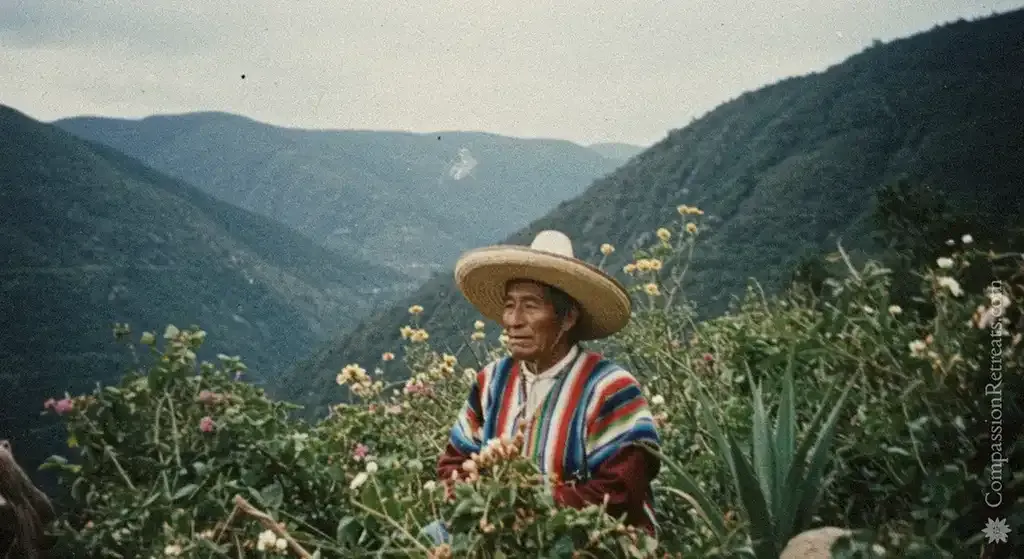
Shamanic rituals, energy work, and community ceremonies were a big part of life back then. They were meant to keep balance and treat illness right at the root. The curandero/a (traditional healer) was the one who showed this whole-person approach. They used herbs, prayer, fortune-telling, and rituals to help people feel well again.

These old traditions, even though colonization (which we covered in Conquest, Suppression, and Syncretism in Colonial Mexico) and modern life hit them, didn't vanish. They stuck around, often practiced quietly within communities or mixing with beliefs that were introduced later. This led to practices like curanderismo, which mixes indigenous, European, and Catholic elements. Lately, there's been a noticeable increase in interest in these ancestral methods, both in Mexico and globally.
The temazcal, a traditional sweat lodge ceremony that symbolizes cleansing and rebirth, has gotten a lot of appreciation and is now a common thing to find in wellness settings, including many spiritual retreats in Mexico. Similarly, knowledge about medicinal plants, passed down through generations, teaches many contemporary herbal workshops and some carefully run ceremonial practices you find at psychedelic retreats.

This growing interest happens at the same time as the global wellness movement taking off. Because people everywhere are looking for things besides conventional medicine, stress relief, and a deeper meaning, Mexico's rich background offers a unique draw. This mix has fueled the growth of a formal retreat industry, especially since the early 2000s. Entrepreneurs, both Mexican and foreign, set up centers that mix ancient wisdom with modern wellness methods like yoga, meditation, and different types of therapy.
This overlap creates lively places for healing and growth, but it also requires us to be mindful. Over at Compassion Retreats, we really believe that honoring the source of these traditions is super important. Bringing sacred indigenous practices into a commercial wellness market raises important questions about cultural respect, authenticity, and the risk of turning them into just a product. It reminds visitors that they need to pick retreats that show real respect for the traditions they've incorporated, making sure these ancient practices are honored, not just used up. Historical depth gives legitimacy, but modern use needs conscious effort from both the providers and the people participating.
Also read: History of psychedelics in Mexico
Sources for this article
- latinostudies.nd.edu
- Rheumatological therapy in Prehispanic Mesoamerica ...
- Curanderismo The history, traditions, rituals, herbs, and remedies of Curanderismo are a folk healing tradition of the Southwes - Santa Fe Public Library,