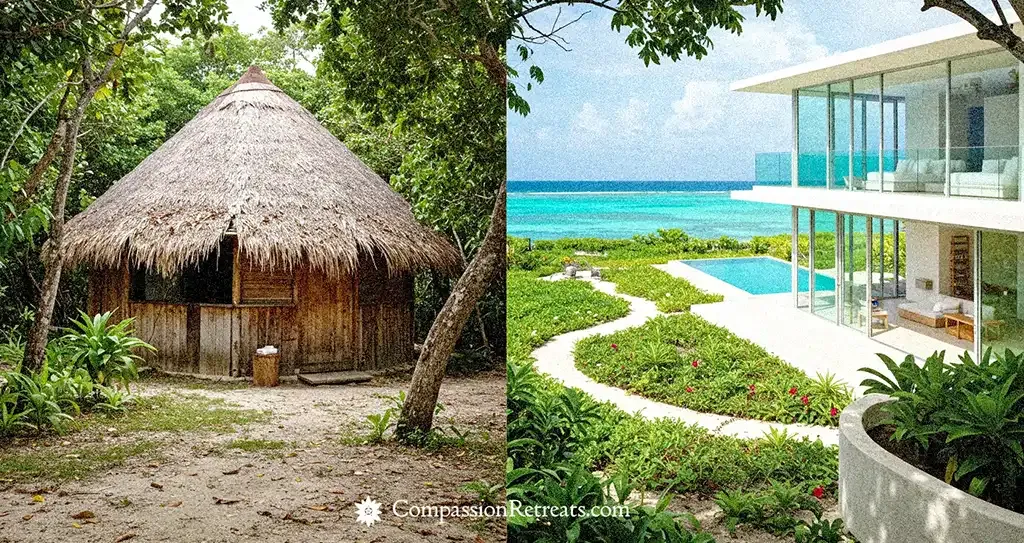
A beach holiday gives you distance from routine. A retreat gives you structure around rest. Compassion Retreats takes one party at a time at Alma Chakana, a private house in the jungle outside Tulum, and holds stays of three to five days with the villa and all meals in the price. Same country. The days do different work.
What does a retreat give you that a beach holiday does not?
A holiday takes you out of your routine. A retreat replaces it with a rhythm you did not have to plan, with food at set hours and a practice to arrive at. You stop managing the day and start living inside it.
Most travel asks things of you: decisions to make and hours to fill. A stay like this holds the hours for you. That is the whole difference between the two, and it is why people who need rest often come home from holidays more tired than they left.
The beach holiday points outward, at sights and photographs. Days like these point somewhere else for a while, at how you sleep and at what your shoulders have been doing since January.
What does a day at a retreat in Mexico look like?
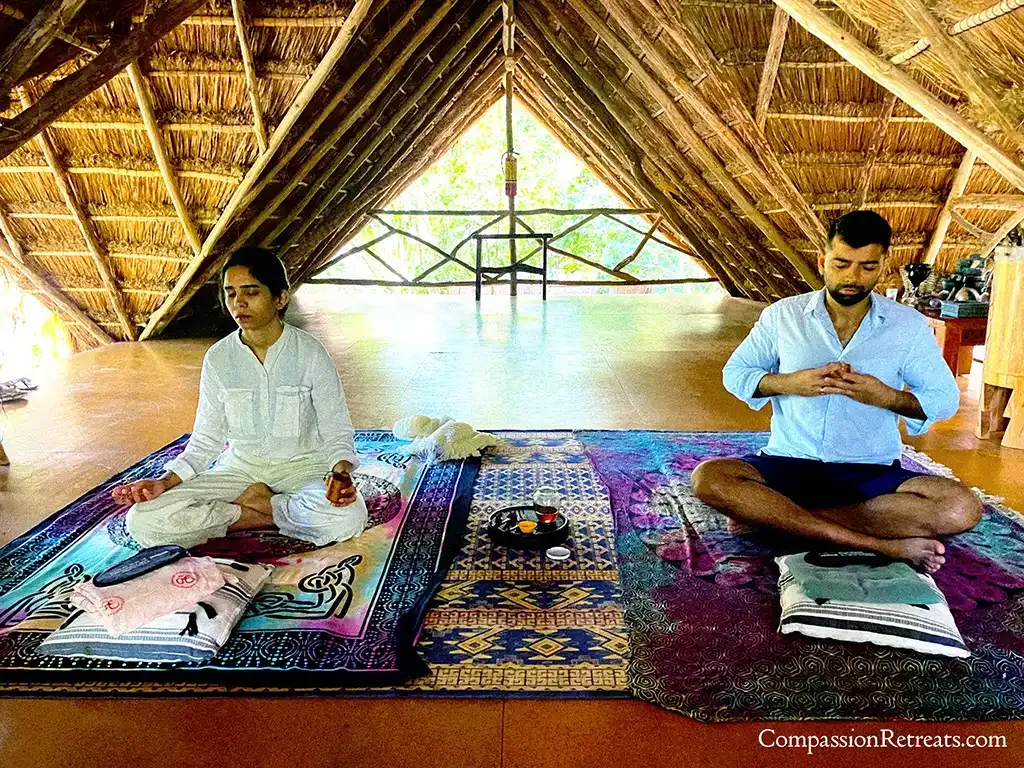
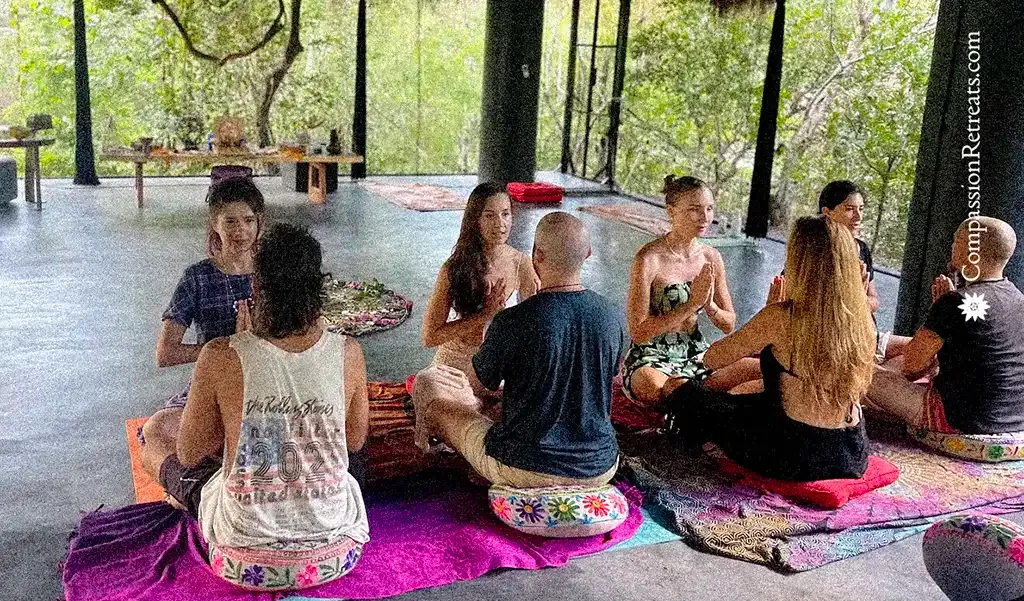
The day has a shape and you do not have to invent one. Quiet practice in the morning, food when it is ready, free hours in the afternoon and something slow after dark. This pattern holds across most retreat houses in Mexico, and it is the pattern that lets a body settle.
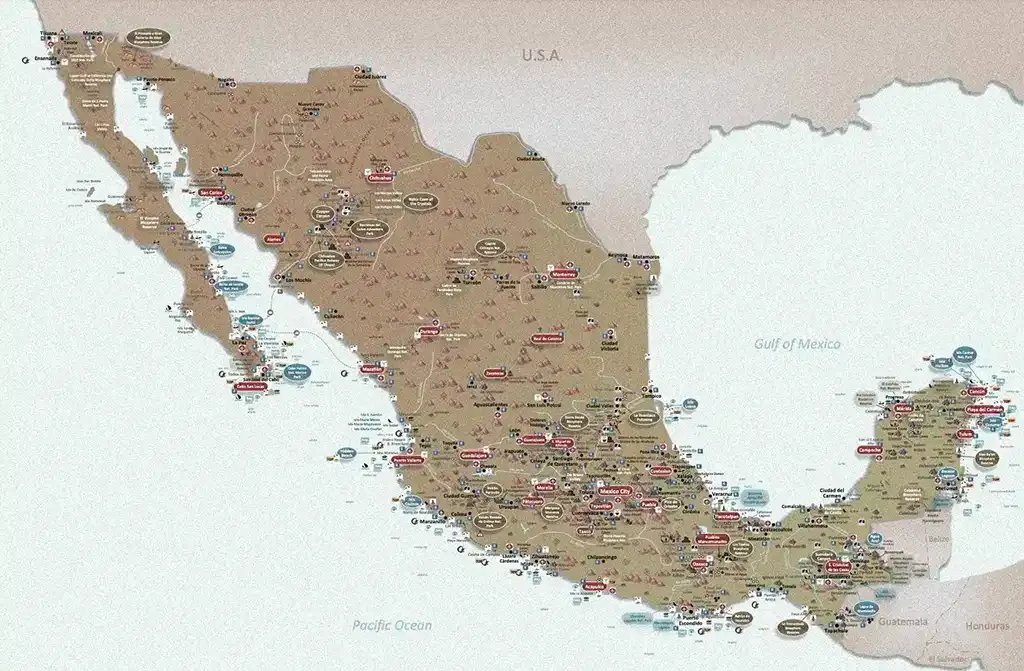
Compassion Retreats runs that shape for one party at a time, so the day bends to you rather than to a group timetable. Check-in and check-out are at 1 pm and move to fit flights. Cenotes sit within walking distance and the beach is a short drive away, so the free hours have somewhere to go.
Why does rest with structure feel different from time off?
Time off usually fills itself. Rest with structure is held in place by something outside you, so the negotiating stops before it starts. The body settles faster when the day is already decided.
At home, rest is a thing you schedule and then cancel. Here it is the point of the day. Your jaw loosens by the second afternoon and your breath drops lower than it has in months. This is what the body does when nothing in the room is asking anything of it.
Three days is three days. We do not pretend otherwise. What three days can do is give you a short run of quiet that ordinary weeks do not offer.
Who goes on a retreat instead of a holiday?
Most people come because ordinary rest has stopped working. Some are between things, a job left behind or a year that took more than it gave. Others arrive curious about silence, or about practices they have read about and never tried.
This is no longer a small corner of travel. The Global Wellness Economy Monitor puts the worldwide total at US$6.3 trillion for 2023, and the Mexican market for travel built around rest and practice was worth US$17.3 billion in 2022. Behind those figures are people who do not want another resort. They want a week that does something specific.
Where do the practices offered in Mexico come from?
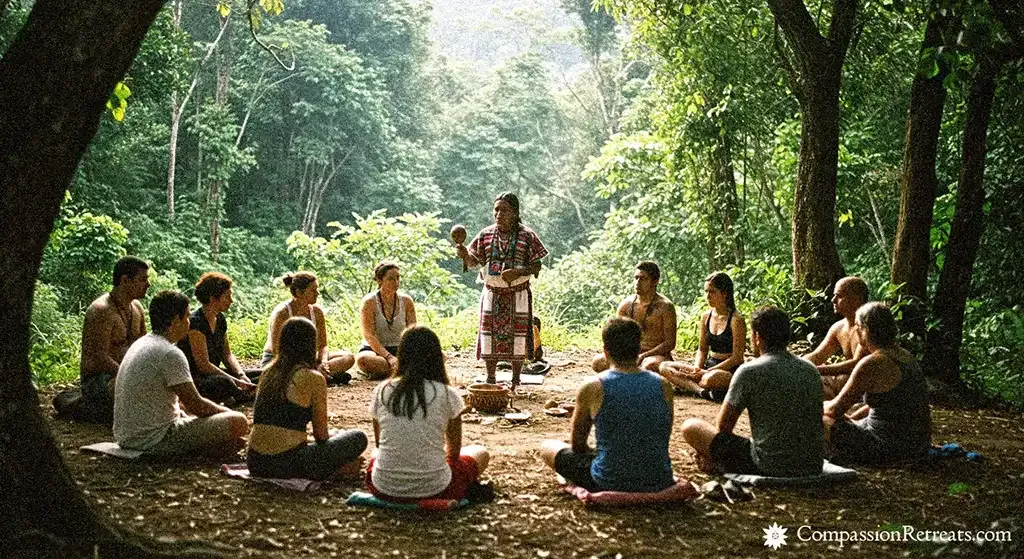
Many of the practices you meet here are older than the houses that host them. The temazcal is a sweat lodge used across Mesoamerica long before retreats became an industry. Curanderismo is a folk practice still found in Mexican communities, and it carries Indigenous and Catholic elements together with knowledge of local plants.
Colonisation pushed both into the background. Neither disappeared.
Compassion Retreats treats this history as fact rather than decoration. Ask who teaches a practice and where they learned it. A tradition passed down is not the same as a tradition bought for a workshop.
How the two kinds of week compare
| A retreat stay | A beach holiday | |
|---|---|---|
| Shape of the day | Practices, meals and rest at set hours | Plans you make yourself |
| Who else is around | Only your party | Other guests and crowds |
| Food | Whole food cooked on the day | Restaurants and whatever you find |
| What fills the hours | Practice, silence, walks to cenotes and long meals | Sights, beach, shops and nightlife |
| What you leave with | Habits and practices you can keep using | Photographs and a rested head |
The facts
| Stay length | Three to five days |
| Price, one person | From US$1,999 for three days |
| Price, couple sharing one villa | From US$2,999 for three days |
| Group size | One party at a time, never mixed with strangers |
| Included | The villa, all meals, transfers and the practices |
| After you go home | Two integration calls by video inside the first month |
| Not included | Flights, travel insurance and paid extras |
| Paid extras | Temazcal, massage, Mayan clay spa, Thai massage, extra nights |
| Airports | TQO about 30 minutes away, CUN about 1 hour 40 minutes |
| Check-in | 1 pm, moved to fit flights |
Where this work happens
The nervous system reset retreat is this shape of stay built for people who arrive tired in a way that sleep has stopped answering. One-day experiences let you see a full day at the house before you commit to a stay.
Sources for this article
- Full article: The inspired wellness: unveiling the connection between mental health and wellness tourism - Taylor & Francis Online
- Global Wellness Economy Monitor 2024
- Wellness Tourism Market is Booming Worldwide at a Significant Growth by 2030: CAGR of 7.2% from 2021 - 2030 - EIN Presswire
- Mexico Wellness Tourism Market Size & Outlook, 2030
- latinostudies.nd.edu
- Rheumatological therapy in Prehispanic Mesoamerica ...
- Curanderismo The history, traditions, rituals, herbs, and remedies of Curanderismo are a folk healing tradition of the Southwes - Santa Fe Public Library
- The health impact of residential retreats: a systematic review - PMC
- Residential Meditation Retreats: A Promise of Sustainable Well - Being? | Cureus
This piece sits inside our knowledge base on rest and the nervous system.